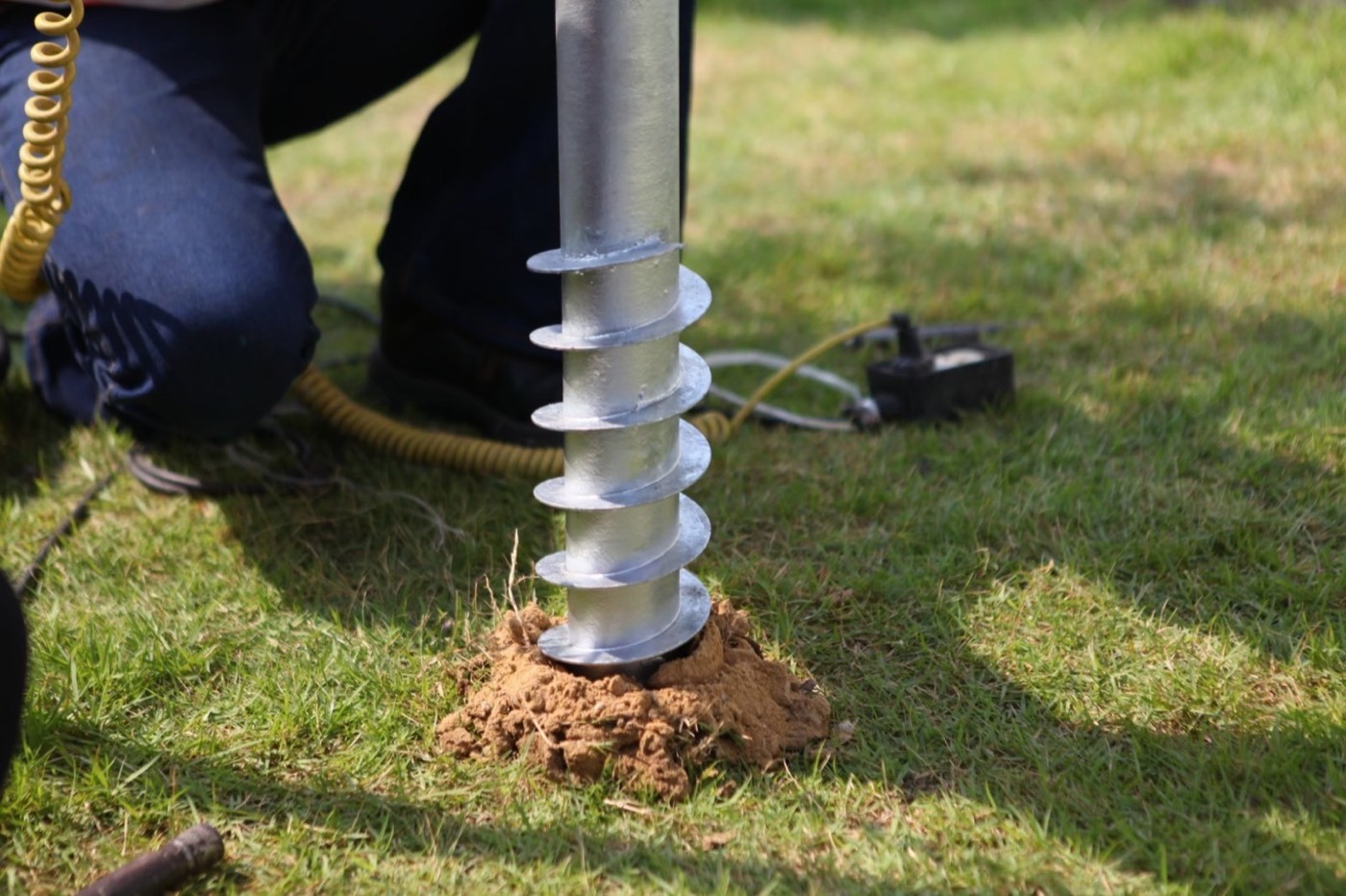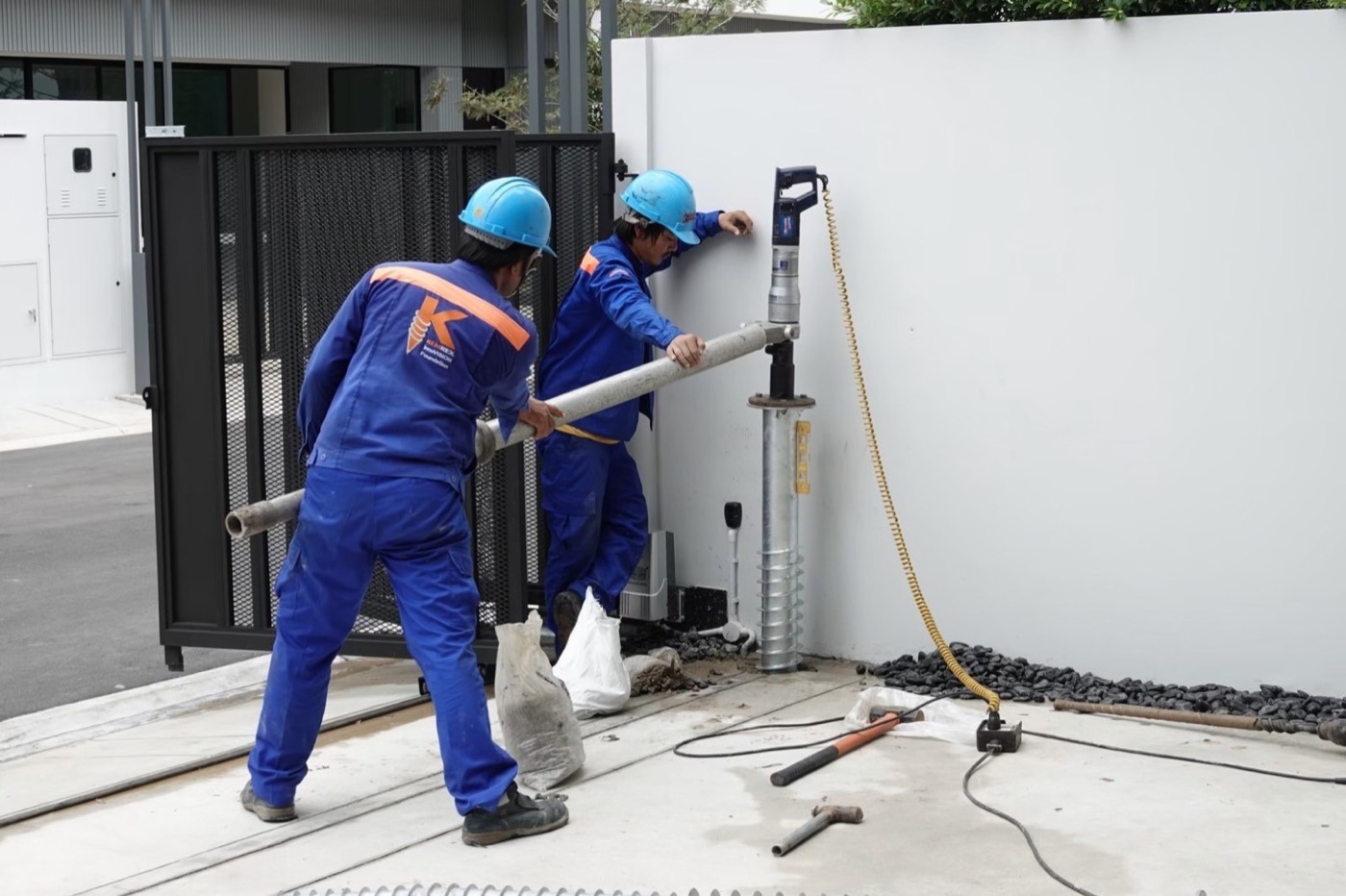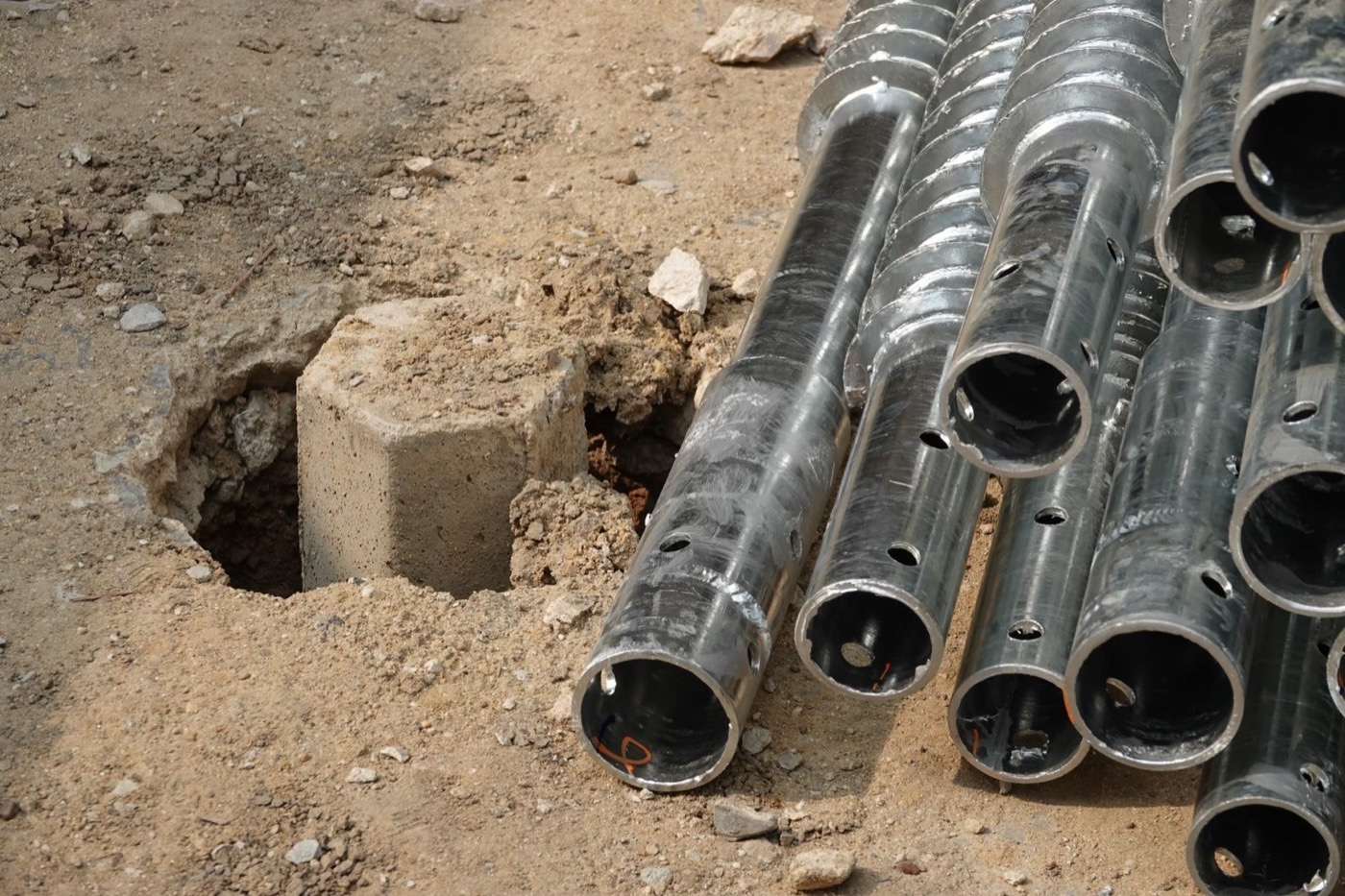
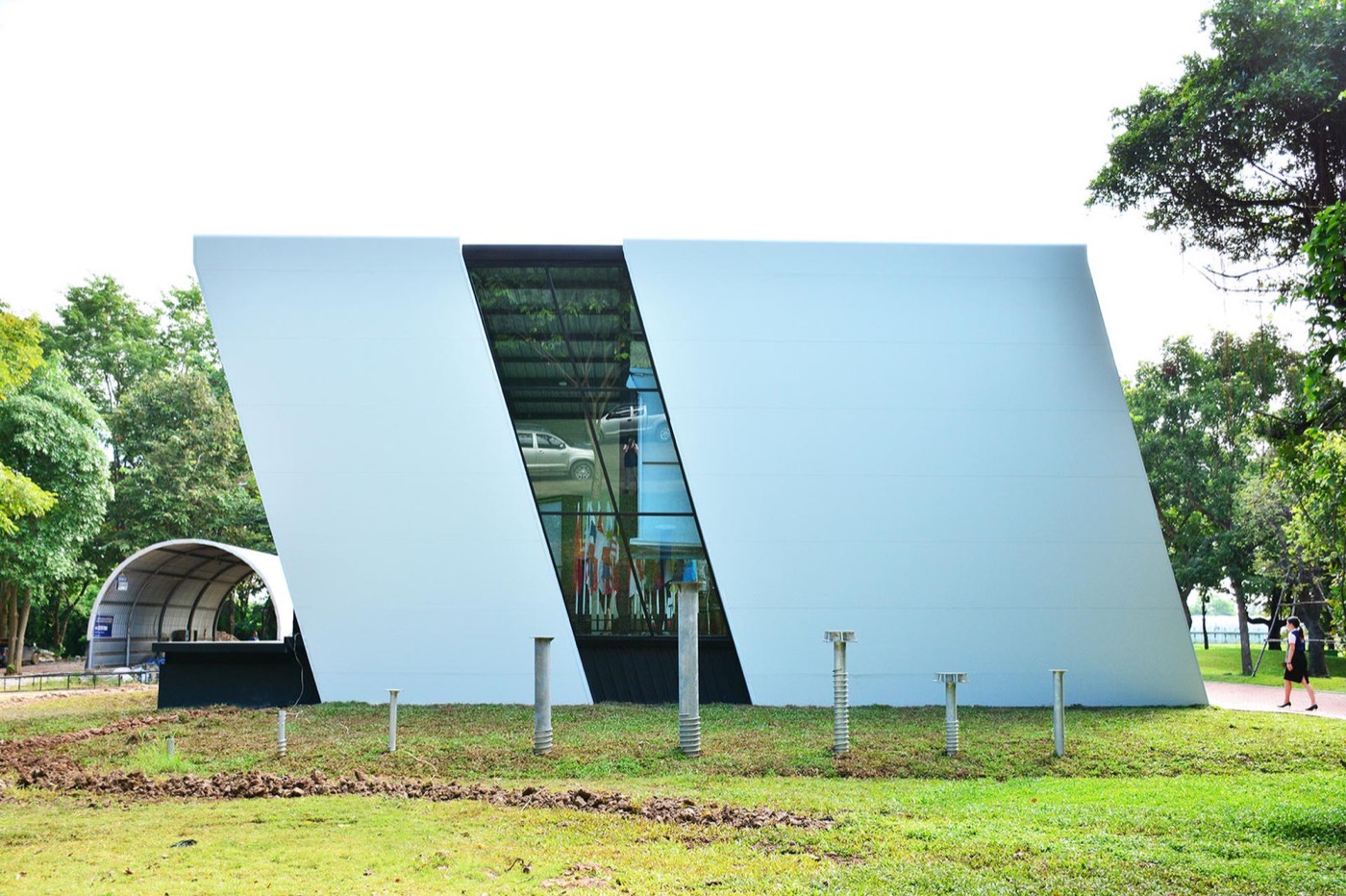
- Light work and small extensions (balconies, terraces) often start with Series N, which carries 300–6,000 kg.
- Work that needs a flange plate to connect the structure (roofs, carports) uses Series F, which carries 1,500–18,000 kg.
- Foundations that need more support or a larger section use Series FS, which carries 1,600–30,000 kg.
- Heavy work that must reach the hard soil stratum uses D or W (including the DW sub-model), which carry 15–100 tons and are 6–34 m long.
- The real choice depends on soil test results and the engineer's calculations.
5 Series in one table
| Series | Load capacity | Length | Ø | Key feature |
|---|---|---|---|---|
| N | 300 – 6,000 kg | 1 – 3 m | 68 – 76 mm | Light work, easy to install |
| F | 1,500 – 18,000 kg | 1.2 – 3 m | 68 – 76 mm | Flange plate pile head (Plate) |
| FS | 1,600 – 30,000 kg | 1.2 – 6 m | 68 – 355 mm | Double flange, for foundations |
| D | 15 – 100 tons | 6 – 34 m | 76 – 220 mm | Reaches the hard soil stratum |
| W | 15 – 100 tons | 6 – 34 m | 76 – 220 mm | Dowel pile head |
Every Series has passed static load testing (Static Load Test) to ASTM D-1143.
Series N and F: homes and extensions
Series N suits light work such as balconies, terraces or timber floors. One example is N68x1200 for decks.
Series F has a flange plate pile head that fixes easily to steel or timber structures. It is popular for roof structures and carports.
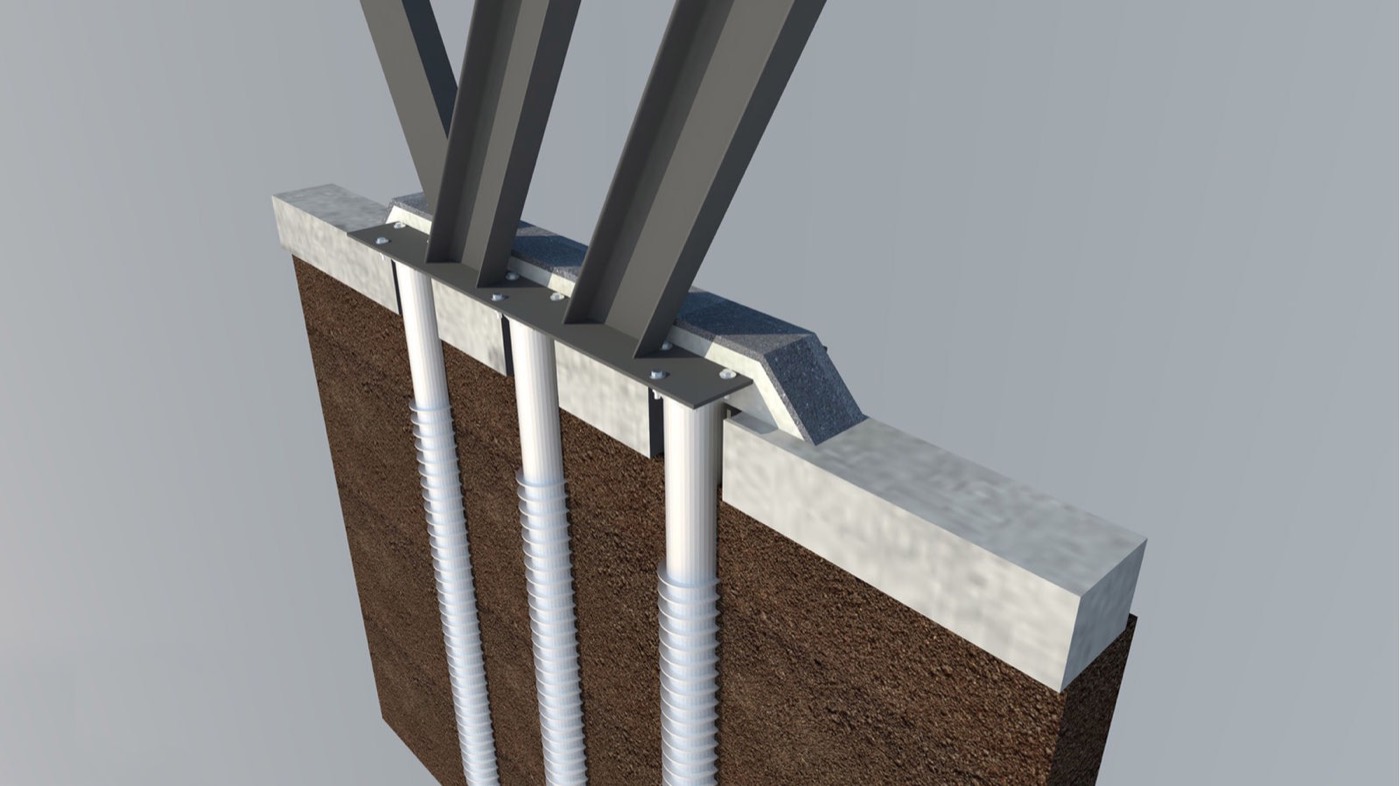
Series FS: foundations that need more support
Series FS has a double flange and sections from 68 to 355 mm, so it supports a wide range of foundation work. Use examples from KEMREX data:
- Knock-down houses: 6 piles of FS90x2000x300 together with 5 piles of F76x1200x220.
- High mast light pole foundations (High Mast): FS355x6000x750.
Series D and W: heavy and industrial work
D and W carry 15–100 tons and are 6–34 m long. They suit work where the pile must reach the hard soil stratum, such as buildings, factories, power plants, machine foundations and Pipe Supports.
- D: reaches the hard soil stratum. It is used for both industrial work and home extensions that need to reduce settlement. One example is D76x22000xF220 for a Stand Pipe.
- W: a Dowel pile head for fixing into concrete structures, with a DW sub-model.
What the pile head can connect to
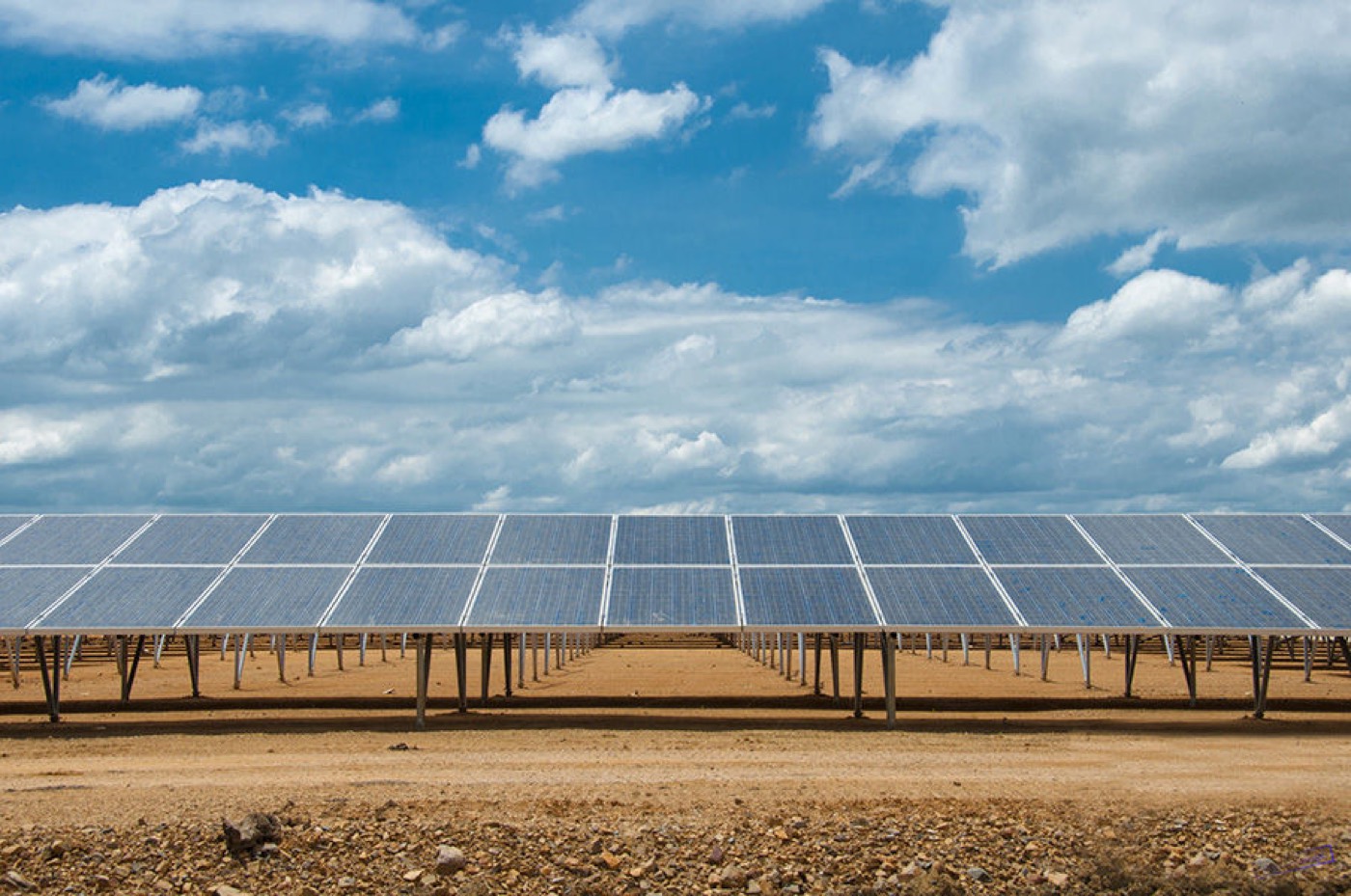
KEMREX designs its pile heads to connect to many kinds of structure:
- Concrete beams and steel beams
- Large and small concrete footings
- Timber posts and steel columns
- J-Bolts
- Balconies and light poles
Steps to get it right from the start
- Gather project information: drawings or site photos, the structure type and the installation area.
- Soil test: the KEMREX team tests the soil layers with the Kunzelstab Penetration Test.
- Calculation and design: the engineer chooses the Series, length and number of piles from the load and the soil test results.
- Installation: choose the installation method that suits the site (Hand Drive, Machine Drive, MDT or KMO).
Not sure which Series your project needs?Send us your drawings or site photos. The KEMREX engineering team will help you choose, free of charge.
Chat on LINE @KEMREXFrequently asked questions
Which Series should I use for a home extension?
It depends on the load and the type of work. Balconies or terraces often use Series N. Roofs or carports often use Series F. Extensions that need to reduce long-term settlement may use Series D, which reaches the hard soil stratum. The engineer confirms the choice from the soil test results.
What is the difference between D and W?
Both carry 15–100 tons, are 6–34 m long and have the same 76–220 mm diameter. The difference is the pile head. W has a Dowel head for fixing to concrete structures, and has a DW sub-model. D suits work that must reach the hard soil stratum.
What kinds of structures can the piles connect to?
KEMREX piles connect to concrete beams, steel beams, large and small concrete footings, timber posts, steel columns, J-Bolts, balconies and light poles, depending on the pile head of each Series.
I do not know the structural load. How do I choose a Series?
Send your drawings or site photos to the KEMREX team. Our engineering team will test the soil, calculate, design and recommend the right Series and size.