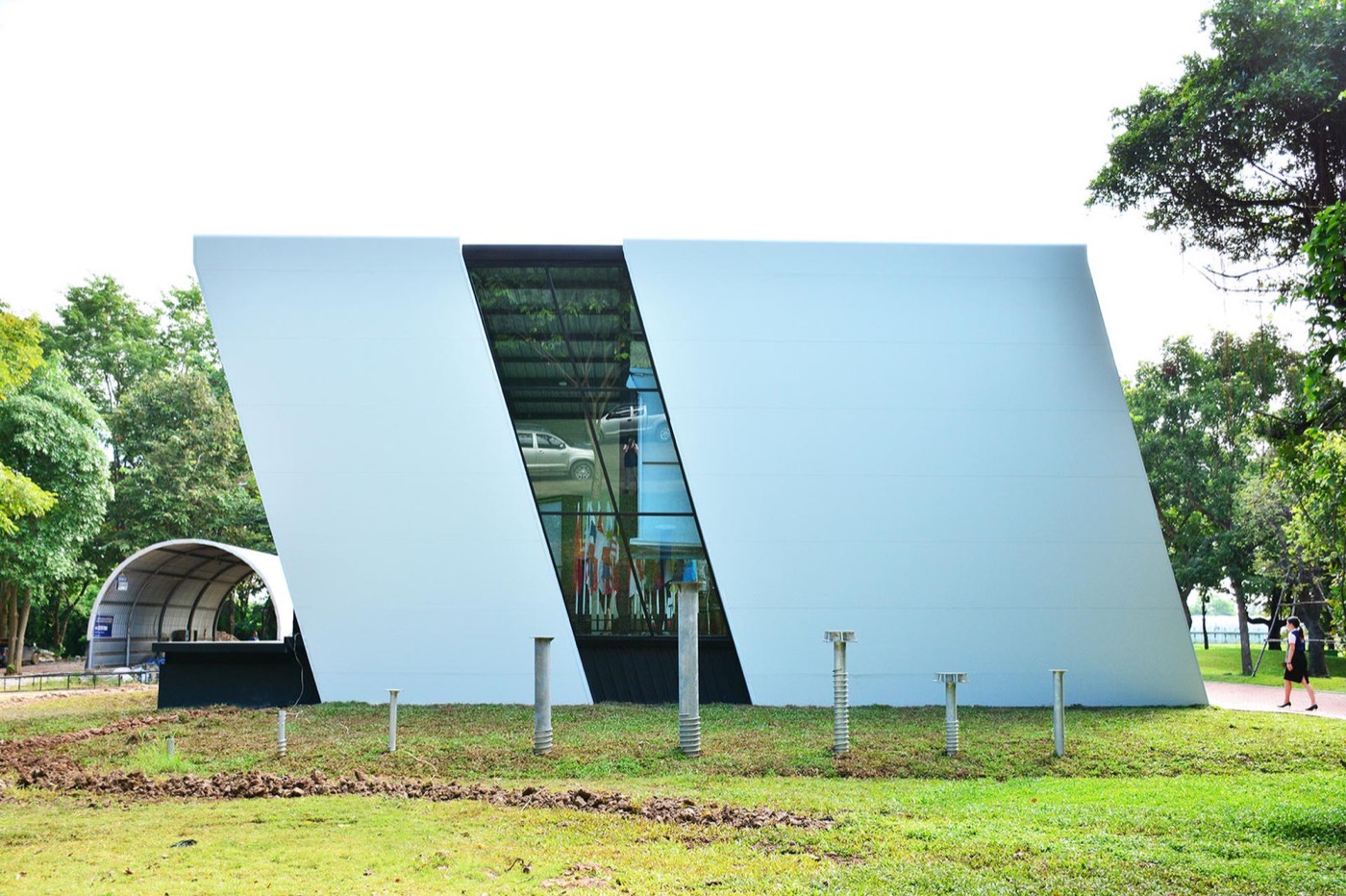
- An extension sinks when its foundation does not reach load-bearing soil, or when it settles at a different rate from the original house.
- Start with a soil test and an engineer-designed foundation, instead of guessing the pile length.
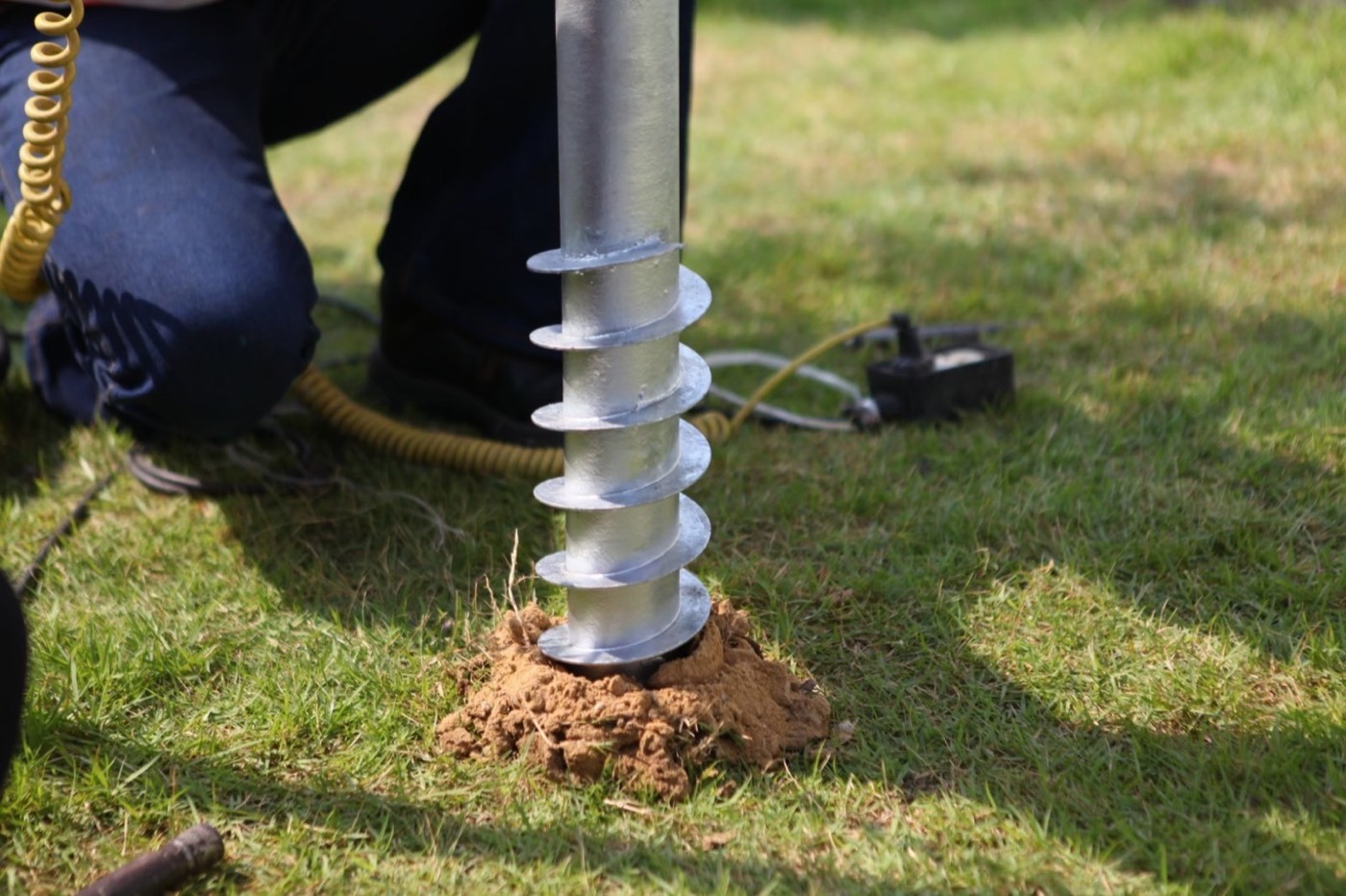
- Helical steel piles install without vibration and do not affect the existing structure or neighboring houses.
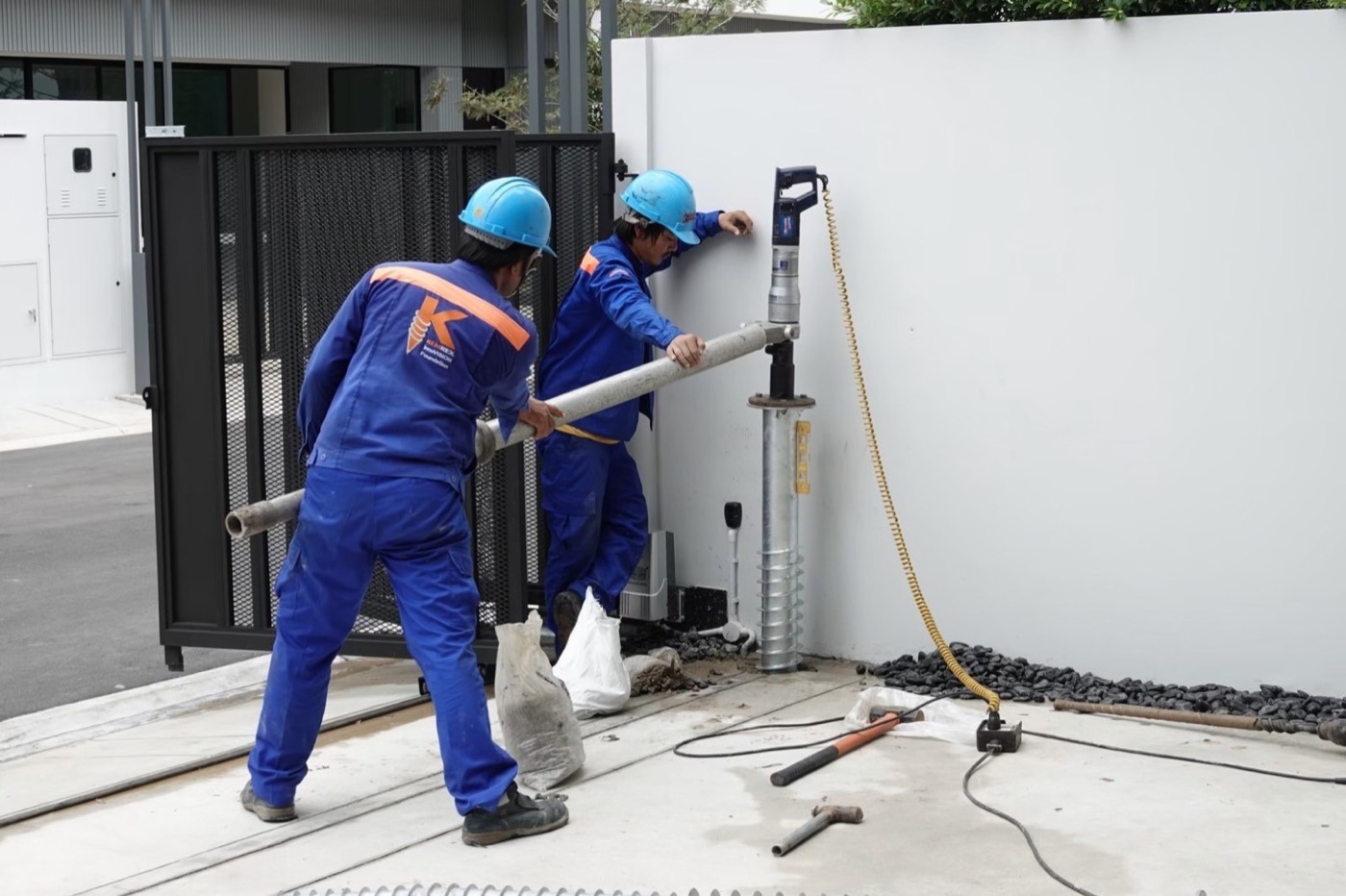
- Hand Drive gets into tight spaces with 2–3 people, and the structure can go up right after installation.
Why extensions sink
- The foundation is too short: the piles do not reach load-bearing soil, so the load sits on soft soil.
- No soil test: the pile length is set by habit, not by real test results.
- Uneven settlement: the original house and the extension have different foundations. When they settle at different rates, cracks open at the joint.
- Impact on the existing structure: driving piles close to the house causes vibration in the original house and neighboring houses.
How to prevent it before you build
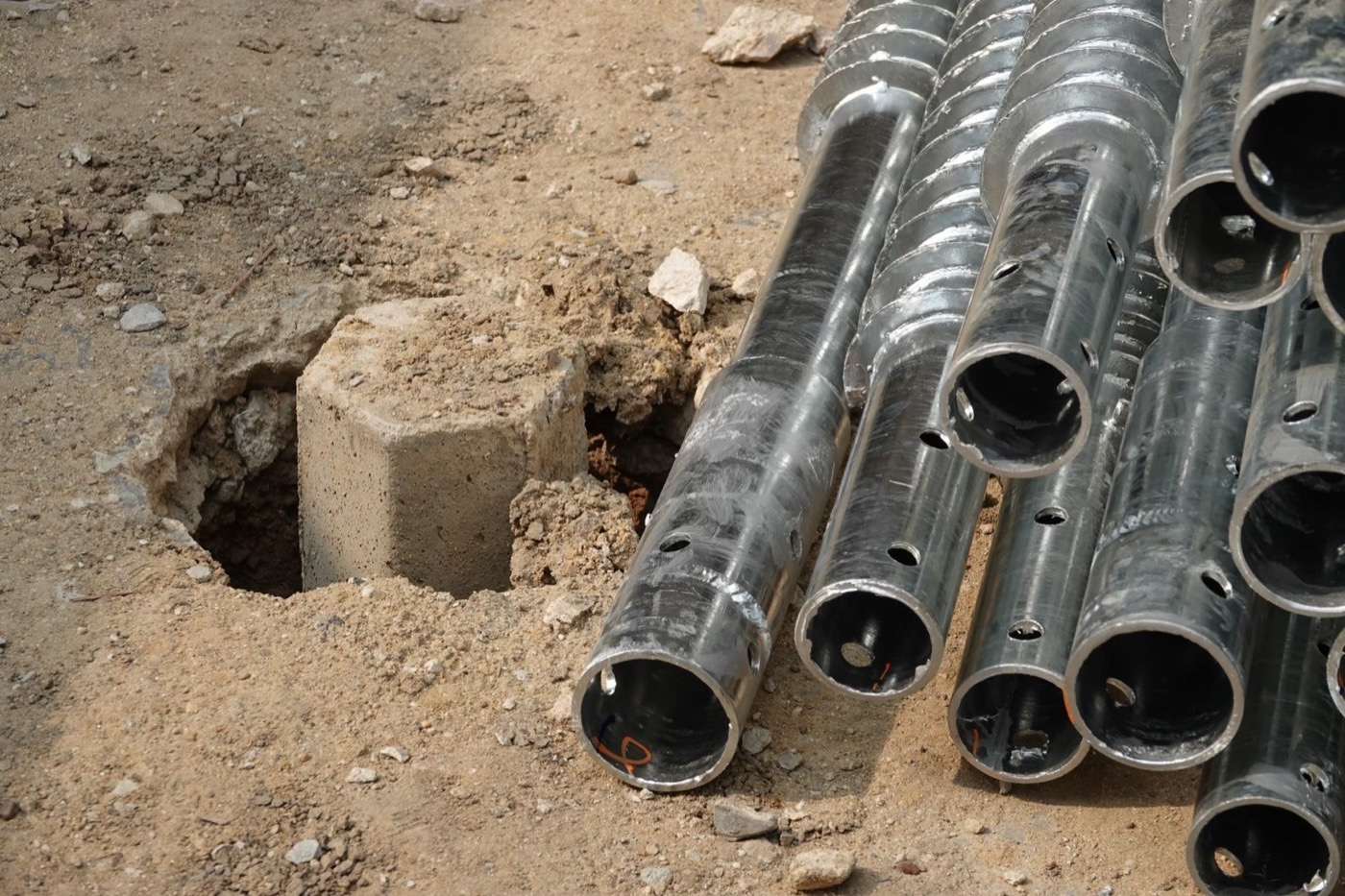
- Soil test: the KEMREX team tests the soil on site with the Kunzelstab Penetration Test to find the depth at which the soil can carry the load.
- Let an engineer design it: calculate the load of the extension, then choose the right Series, length and number of piles.
- Choose an installation method that does not affect the original house: screwing piles into the ground reduces vibration and excavation.
- Design the joint: let the engineer decide whether the extension will be tied to or separated from the existing structure.
Why helical steel piles suit extensions
- No vibration: no impact on the existing structure or neighboring houses.
- Gets into tight spaces: Hand Drive uses 2–3 people at about 30–45 min per pile, and KMO needs a safety zone of 2 m or more.
- Build on top right away: no waiting for concrete to set.
- Less excavation and waste: a cleaner site, with no piles of excavated soil around the house.
- Length chosen to suit the soil layers: Series D reaches the hard soil stratum, with lengths of 6–34 m.
A real example: joining an old house to a new one
KEMREX project data includes a renovation that joined a house more than 20 years old to a new house. The results:
- No impact on the structure of the original house
- Construction went ahead while the residents were still living in the house
- The existing trees were kept
Which Series for each type of extension
| Extension | Typical Series | Load capacity |
|---|---|---|
| Balconies, terraces, timber floors | N | 300 – 6,000 kg |
| Roofs, carports | F | 1,500 – 18,000 kg |
| Knock-down houses | FS with F | As designed |
| Room additions, house extensions | D | 15 – 100 tons |
This table is a starting guide. The engineer must confirm the actual Series and size from the soil test results and the load of the work. Read more in Choosing the right Series.
Planning a home extension?Send us site photos and a rough plan. The KEMREX engineering team will assess the foundation for free.
Chat on LINE @KEMREXFrequently asked questions
Why does an extension settle separately from the house?
The original house usually has a foundation designed specifically for it. Extensions often use shorter foundations, or ones not calculated from soil test results. When the load presses on soil layers that can carry different amounts, the extension settles separately from the original house.
Can helical steel piles be installed while we still live in the house?
Yes. Screw-in installation reduces vibration and excavation and does not affect the existing structure. KEMREX renovation project data states that construction went ahead while the residents were still living in the house.
The space beside my house is very narrow. Can you still install?
Yes. The Hand Drive method uses hydraulic tools and 2–3 people, which suits tight spaces. It takes about 30–45 min per pile, depending on site conditions and pile length.
Which helical steel pile Series is used for home extensions?
Light work such as balconies often uses Series N. Roofs or carports often use Series F. Extensions that need to reach the hard soil stratum use Series D. The engineer confirms the choice from the soil test results and the actual load.